Start with how the room should feel
A wall is the biggest surface in any room, so it sets the mood before a single piece of furniture comes in. Before I pick a paper or a plaster, I ask one question: do you want this room to hug you or to let you breathe?
Pattern hugs. It makes a small powder room, an entry or a dining room feel wrapped and special. Texture lets you breathe. Plaster, limewash and grasscloth add depth without adding noise, so they work in bedrooms, living rooms and anywhere you want calm.
Textured walls I love
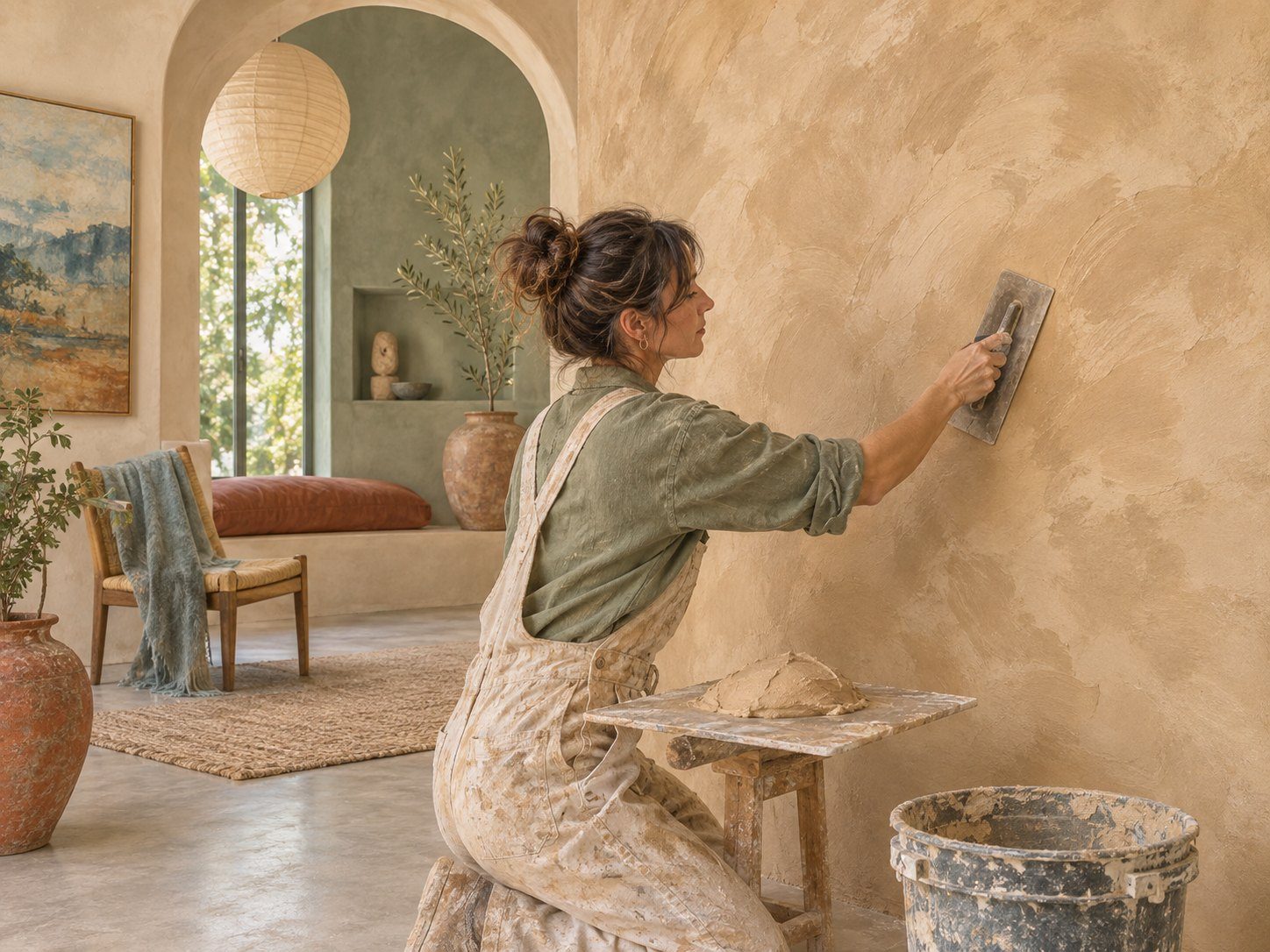
Limewash. Mineral paint brushed on in loose, crossing strokes. It dries cloudy and soft, like old stone, and it moves with the light all day. Great for a whole room, and forgiving for a first DIY.
Lime or clay plaster. Troweled on in thin coats and burnished. It is the most beautiful wall finish I know, and it is worth hiring a good plasterer. Use it on a hearth, a range hood or a bedroom wall behind the bed.
Grasscloth. Woven natural fiber on a paper backing. It brings the warmth of a rug to a wall. In our own dining room we hung navy grasscloth above white geometric wainscoting, and it is still my favorite thing we have done.
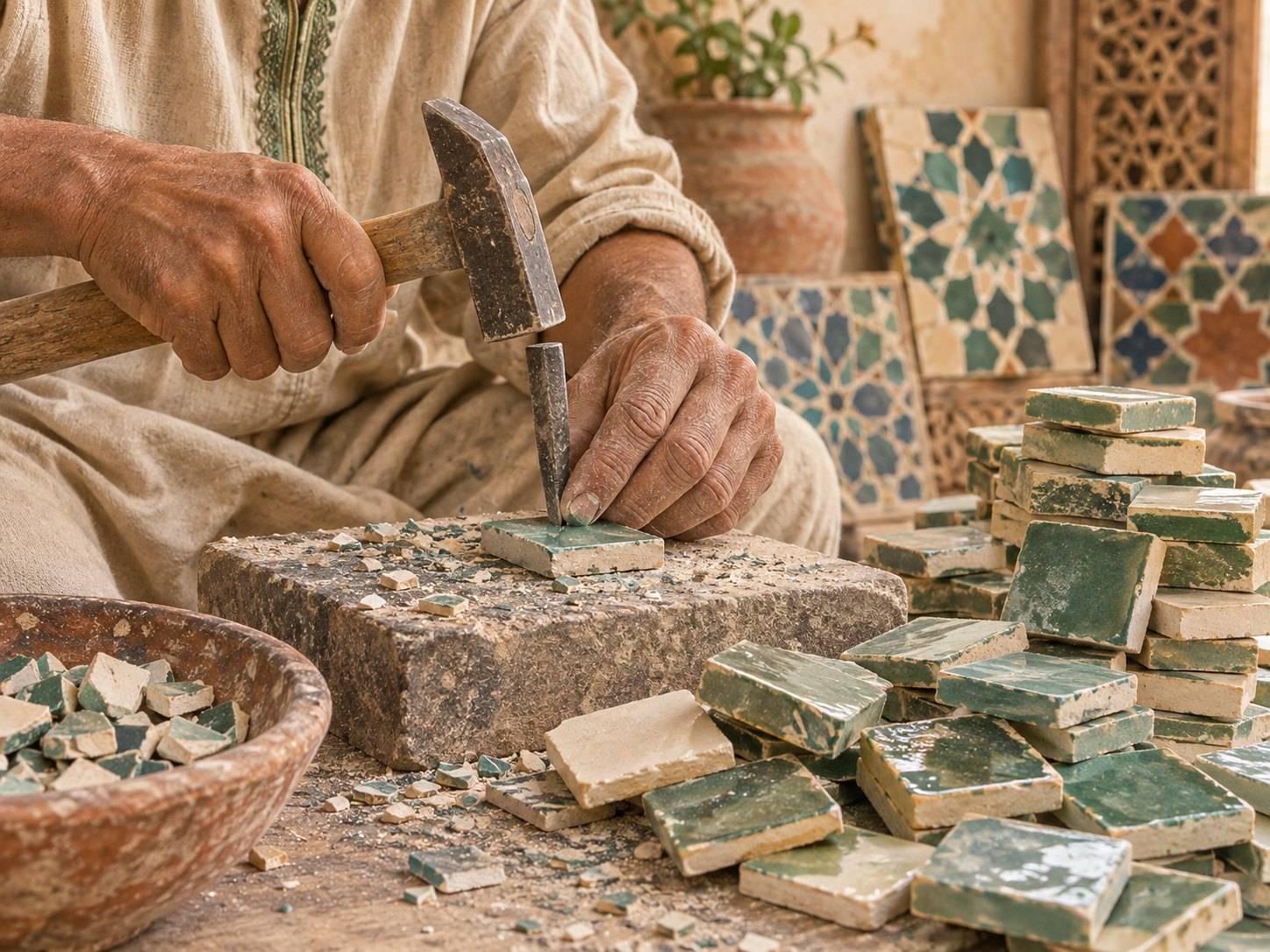
Zellige and handmade tile. Not paper, but the same idea: a wall with life in it. Every tile is a little different, and that is the point.
Wallpaper without regret
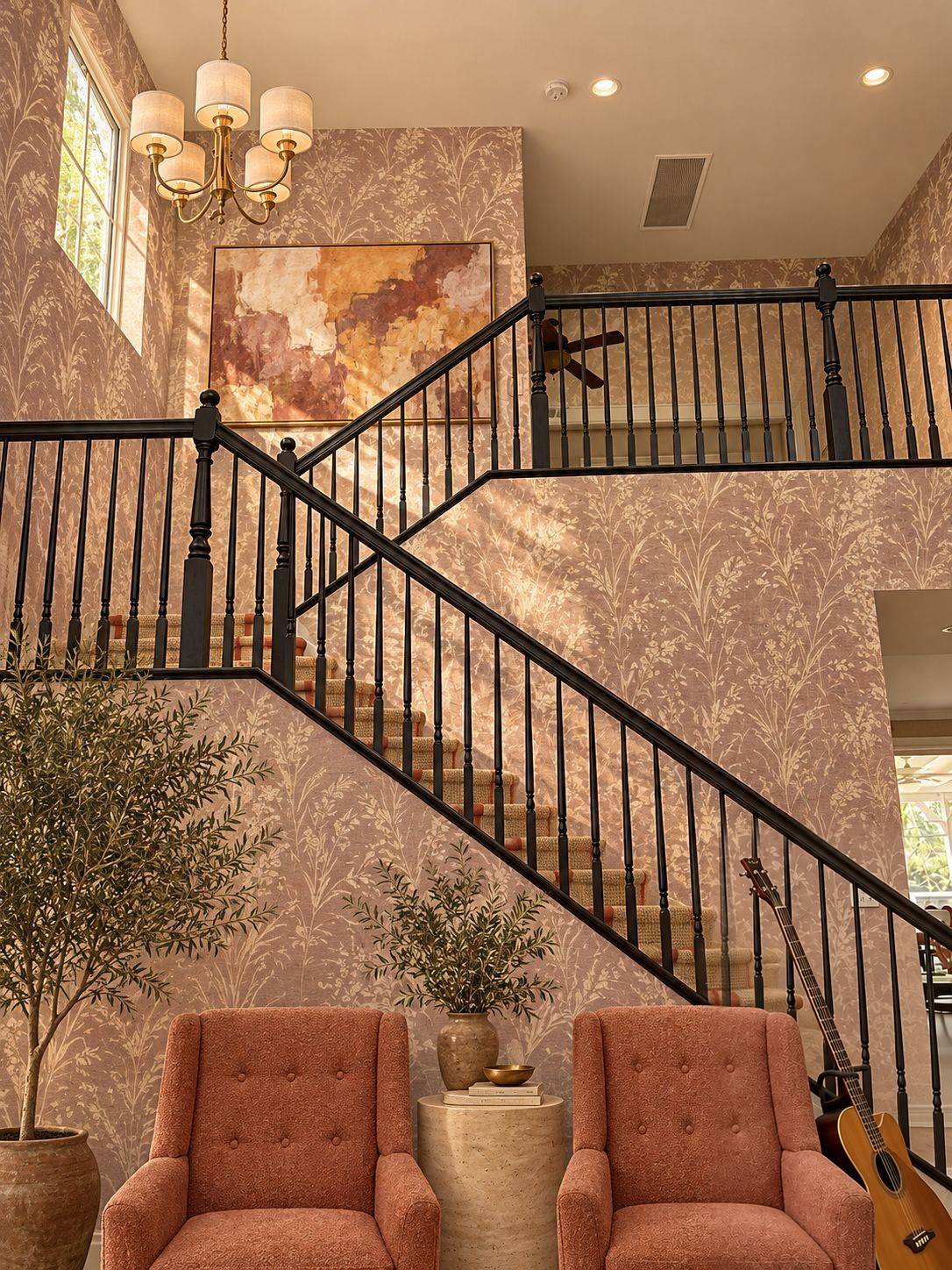
Go bigger than you think. A large-scale pattern makes a small room look larger. Tiny prints read as busy from across the room.
Pick the right wall. Entry stair walls, powder rooms, dining rooms, the back of open shelves and the ceiling are all great places for pattern. Avoid papering every wall in a room you use for rest.
Pull colors from the room. Your paper should share at least one color with something you already own: the rug, a chair, the wood tone of the floor.
Order a sample first, always. Tape it to the wall and look at it in the morning, at noon and at night. Colors change completely with the light. This is exactly why I come see your space at different times of the day.
Buy one extra roll. Pattern repeat eats paper, and dye lots change between orders.
Design your own wallpaper
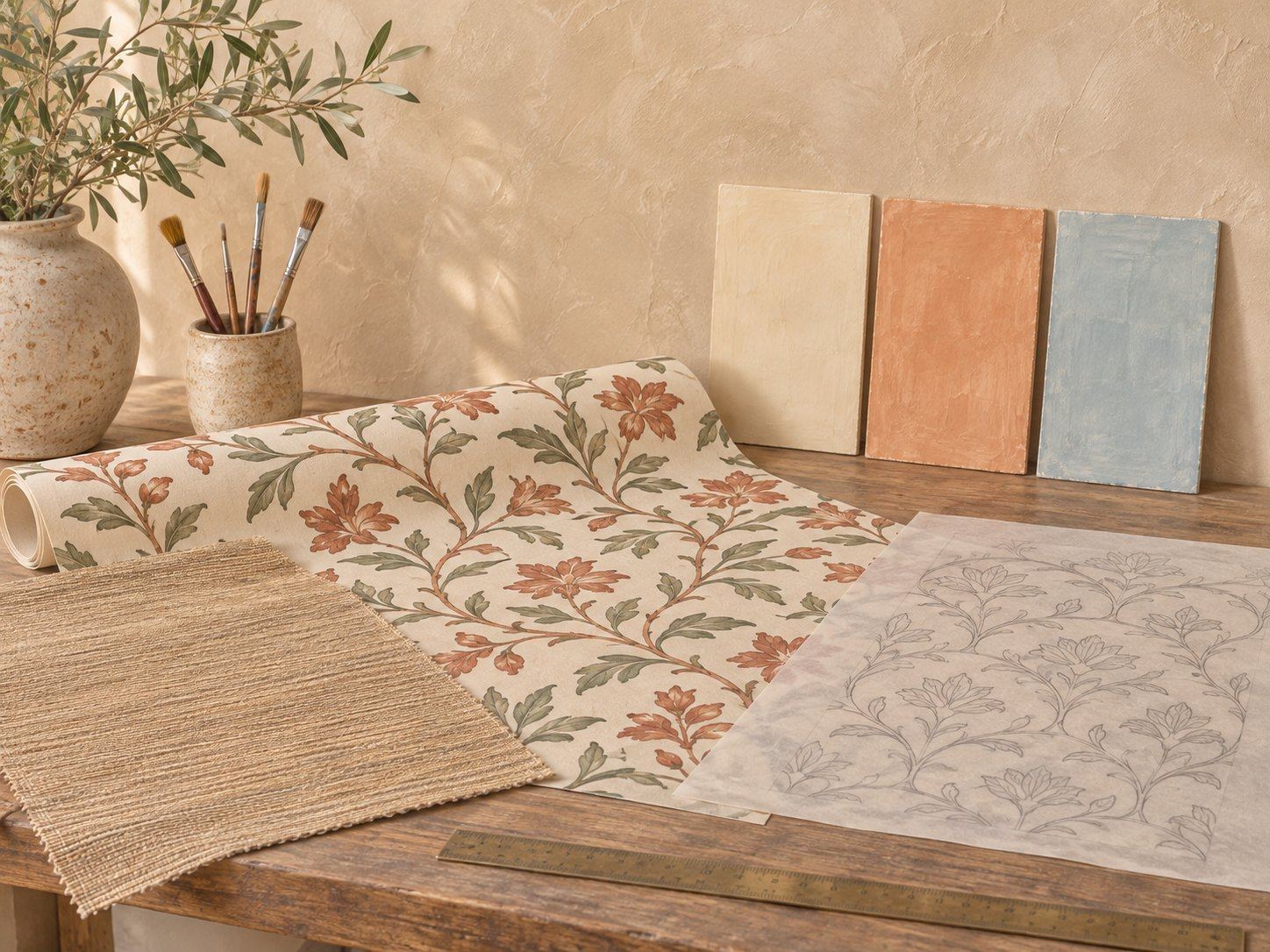
This is the fun part. A custom paper can hold your story: the flowers from your garden, a sketch from a trip, the shape of your dog's ears. Here is how I walk clients through it.
1. Choose one motif. A vine, a leaf, a bird, a wave, a tile shape from a place you love. One idea, drawn simply, is stronger than five.
2. Decide the scale. Measure the motif against the wall. A motif the size of your hand reads as texture from across the room. A motif the size of a dinner plate reads as a statement.
3. Pick the repeat. A straight repeat lines the motif up in rows. A half-drop shifts every other column down by half, which looks more natural and hides the seams. Most botanical papers use a half-drop.
4. Limit the colorway. Two or three colors plus a background. Pull them from the room, then test a lighter and a darker version.
5. Choose the material. Traditional paper for dining rooms and bedrooms, a washable vinyl-coated paper for baths and kids' rooms, peel-and-stick for renters, and grasscloth-look papers for warmth.
6. Print a test strip. Order a sample of your own design, hang it, and live with it for a few days before you print the full run.
Do you want this room to hug you or to let you breathe?
The short version
- Texture for calm, pattern for dramaPlaster, limewash and grasscloth soothe. Pattern makes a small room an event.
- Scale upLarger patterns make small rooms feel bigger.
- Always sampleLook at it morning, noon and night before you commit.